
Real world first
We validate on hardware in messy environments, early and often — not only in simulation.
Most of what gets called AI never has to survive contact with gravity, friction, or a room it wasn't trained in. ET Robotics exists to build the part that does.
Software intelligence has scaled faster than almost anyone predicted. Physical intelligence hasn't kept pace — most robots still fail the moment the world stops looking like their training data.
We design perception, control, and embodiment as one system, so machines can act competently in places nobody has fully mapped for them: warehouses, job sites, homes, and everywhere else "unstructured" actually means something.
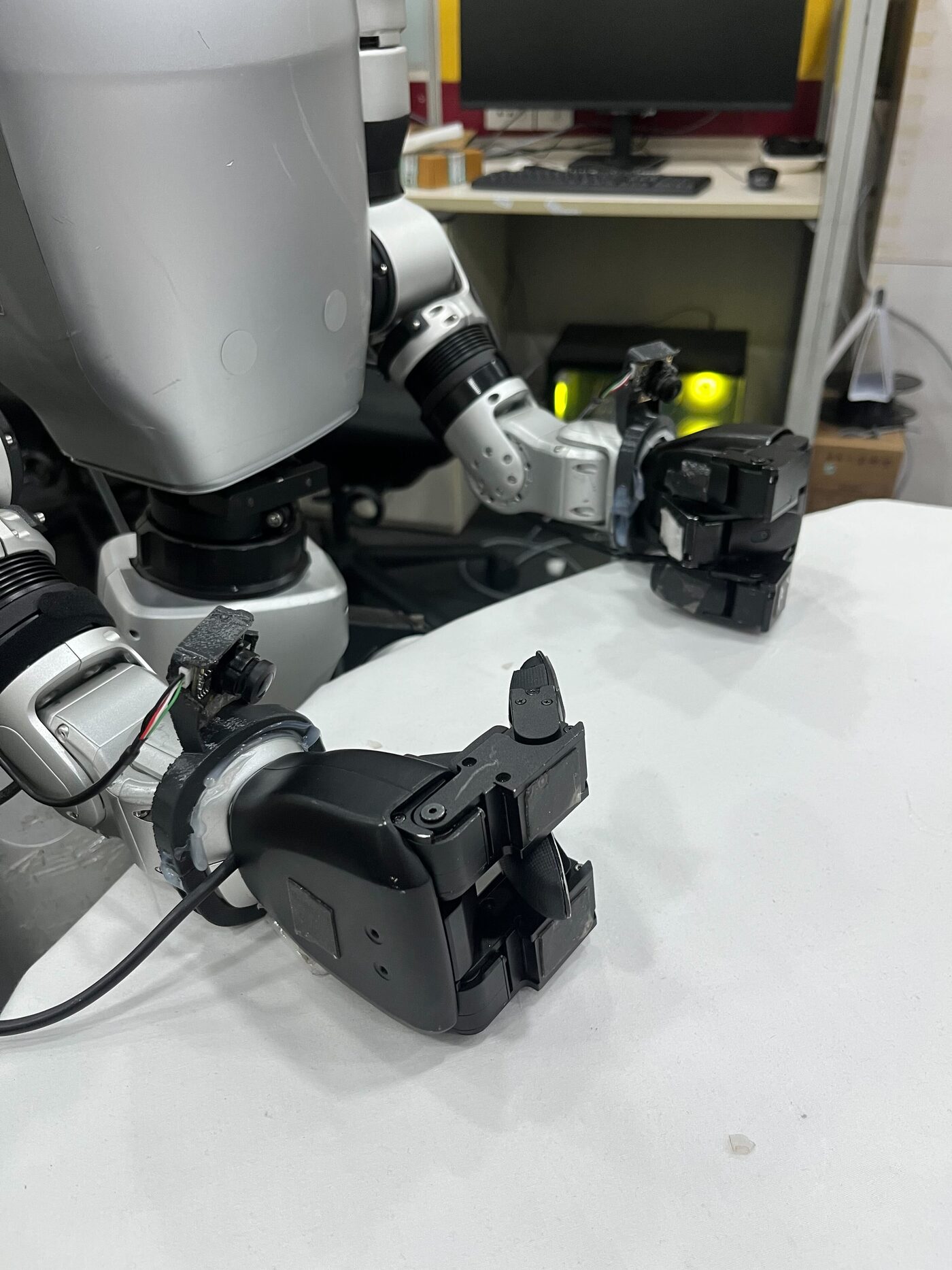
We validate on hardware in messy environments, early and often — not only in simulation.
Hardware, control and models are designed as one loop, never handed off between silos.
Compliant control and redundant safeguards are requirements, not features added later.
Fast where iteration is cheap. Slow where mistakes are expensive or dangerous.
Started on a straightforward bet: embodiment is the constraint holding physical AI back — not model quality alone.
Perception, control and hardware platforms in active development, with early design partners feeding real constraints back into the work.
Moving from prototypes to systems that run for weeks at a time outside a controlled lab environment.
If that sounds like the kind of work you want to be doing, we'd like to hear from you.